How-to news about plants & flower Gardening from The Plant Pixie, a Wilmington, NC commercial grower.


A Hidden Treasure:
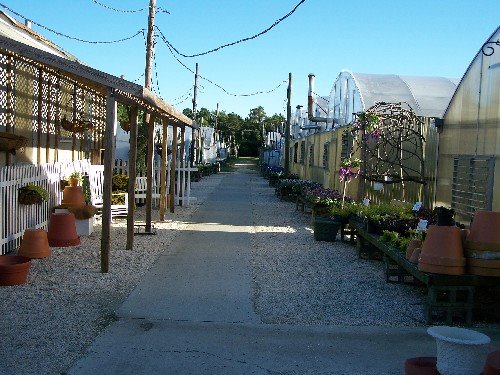
A newcomer, passing by on Market street, might assume that The Plant Place is a cute, little mom & pop nursery. Actually, while the nursery is locally owned and operated, it gives serious competition to the mega marts. There are 30 greenhouses that streach quite aways out back
and a 1/4 acre field full of tables of plants. No small place indeed! In the shop itself, you can find just about any trendy gift and lots of nifty decor items as well as your gardening staples. Out in the greenhouses you will come across the usual plants of every season. They also have a variety of plants that are something a little different and new for each season. Additionally, the Plant Place carries a large selection of indoor plants from the smallest plant imaginable (such as a baby Orchid, perfect for your kitchen window) to six foot plus trees to decorate the foyer or other larger areas of the house. The Plant Place puts great emphasis on high quality plants and friendly, knowledgeable service. The staff is always willing to take some time and answer questions or offer advise. This store is an absolute must for any flower gardener.
Posted by
The Plant Pixie
at
12:05 AM
Labels: greenhouse, nursery, the plant place
V Feeding & Watering:
Here at The Plant Place we use a two pronged approach to fertilizing. Most plants are on a liquid feed program as well as receiving a one-time application of a time release fertilizer.
A) The time-release fertilizer we use is ‘Florikan’. This is a new combination of ironite and osmocote along with a handful of trace elements that plants require much like the trace minerals of zinc and magnesium (that we get in food) that we need. This fertilizer will release small amounts of nutrients every time they get wet for up to 3 months.
B) Our liquid feed program is applied to baby plants on average once per week, increasing as they mature. We use ‘Peters’ plant food (20-10-20) most frequently. The numbers are for the amount of Phosphate-Nitrogen-Potash in the plant food or in simplistic terms the numbers are for foliage/blooms/roots. Each group of greenhouses has a food injector that mixes the concentrated feed in with water at a 1ppm (part per million) ratio that allows the gardeners to mearly water with a standard garden hose.
C) Because we are such a large facility (30 greenhouses and a field of plants) there are always
some plants each day that need to be watered or fed. In fact, if you look around while walking through you will probably see some of our nursery staff doing just that!
Posted by
The Plant Pixie
at
3:07 PM
Labels: fertilizer, Liquid feed, plant care


Posted by
The Plant Pixie
at
3:34 PM
III Planting:
This is our standard procedure for planting.
A) Determine the pot size desired.
B) Adjust potting machine conveyer to fit said pot size and adjust the speed of the soil conveyer.
C) Pre-load tractor with container trays for chosen pot size.
D) Load machine with soil and run.
E) Set pots out on tables in greenhouse.
F) Water in soil until moist throughout. Wet soil allows new roots to grow through out the pot easier.
G) Make appropriate sized holes in containers.
H) Drop plant in pre-made hole. If plant is root bound (has an excessive amount of roots) you may first rough up the bottom edges with your thumb to stimulate new growth.
I) Water container again to allow loose soil to settle in to any remaining air pockets
Posted by
The Plant Pixie
at
10:32 PM
I. Propagation (how we help plants have babies)
There are 4 main ways to create new plants:
A) Seed: We here at The Plant Place grow very few things from seed.
Seed propagation has a very low success rate (on average 75%) and can be very time consuming. For example, our asparagus ferns were planted as seeds last August and are just now mature enough to sell. That’s eight months of growing! The other plant we currently have growing from seed is a Sable Minor Palm that was planted at the same time as the asparagus ferns and still have another year to grow before they will be ready to sell! 
B) Bulbs: Bulbs are a quicker and more productive way of growing some varieties of plants. On average (with proper weather and temperature) it takes a bulb about 2 months to reach maturity. You can see the remaining shamrocks that we planted in early January and the caladiums we planted in the middle of January are just now reaching maturity. Our other bulb plant, elephant ears, is just now starting to poke through the dirt.
C) Un-rooted cuttings: Un-rooted cuttings have a higher success ratio (85-90%) but we grow very
few of these due to licensing, patent and propagation laws. The two most popular plants from this type of cutting that we grow are Wandering Jew and Coleus.
D) Rooted Cuttings: Rooted cuttings are cuttings that we purchase from other companies in other states/countries that have a ball of roots already started. These plants are
usually protected from further propagation by strict legislation and often include a royalty fee for the right to grow them. However, while slightly more expensive, they are worth it. Rooted cuttings have about a 99% success rate and generally reach maturity (are ready to sell) in 6-8 weeks. Almost all of our plants are grown as rooted cuttings.
Posted by
The Plant Pixie
at
3:21 PM
Posted by
The Plant Pixie
at
3:15 PM
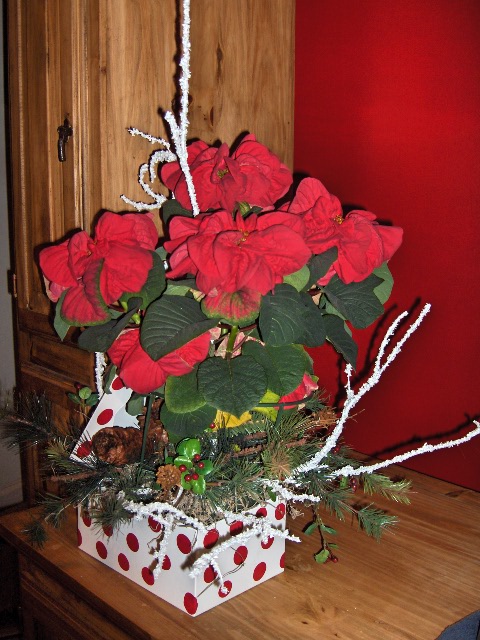
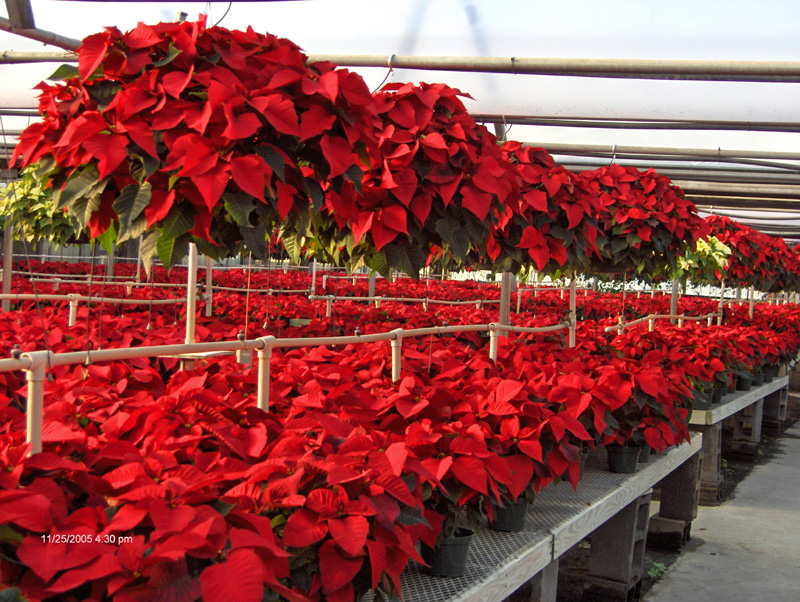
Christmas is almost here and the poinsettias are in bloom. So, here are a few simple guidelines to help you care for your poinsettias at home. 
Light/Placement:
Poinsettias prefer moderately bright light but they can tolerate low light areas. In other words, you can put a poinsettia just about anywhere in the house except a bright window.
Temperature:
These plants also prefer moderately cool temperatures: 60-70 degrees during the daytime and 60-65 degrees at night are
ideal. Poinsettias can tolerate warmer and cooler temperatures
however 80 is too warm and 50 is too cold. Be sure that your plant is not directly below a vent because this will cause your flower to quickly spoil.
Watering:
For best results, water your plant in the mornings. Be sure to water thoroughly each time and empty the excess water from the saucer when finished. Emptying excess water will help to prevent root rot. (Root rot is the #1 cause of poinsettia death in households.) Allow your plant to dry out in between watering. The soil should feel dry to the touch and the plant will feel light. In normal temperatures and moderate light this usually translates into water once every 3-4 days. Good luck!
Posted by
The Plant Pixie
at
8:57 PM

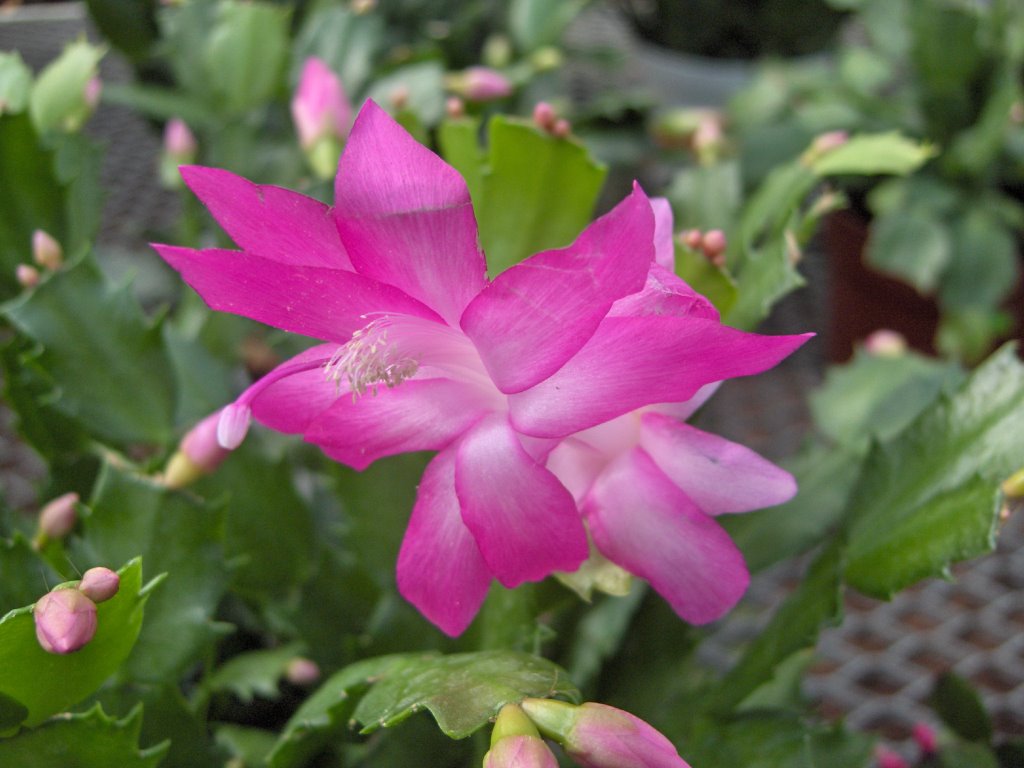
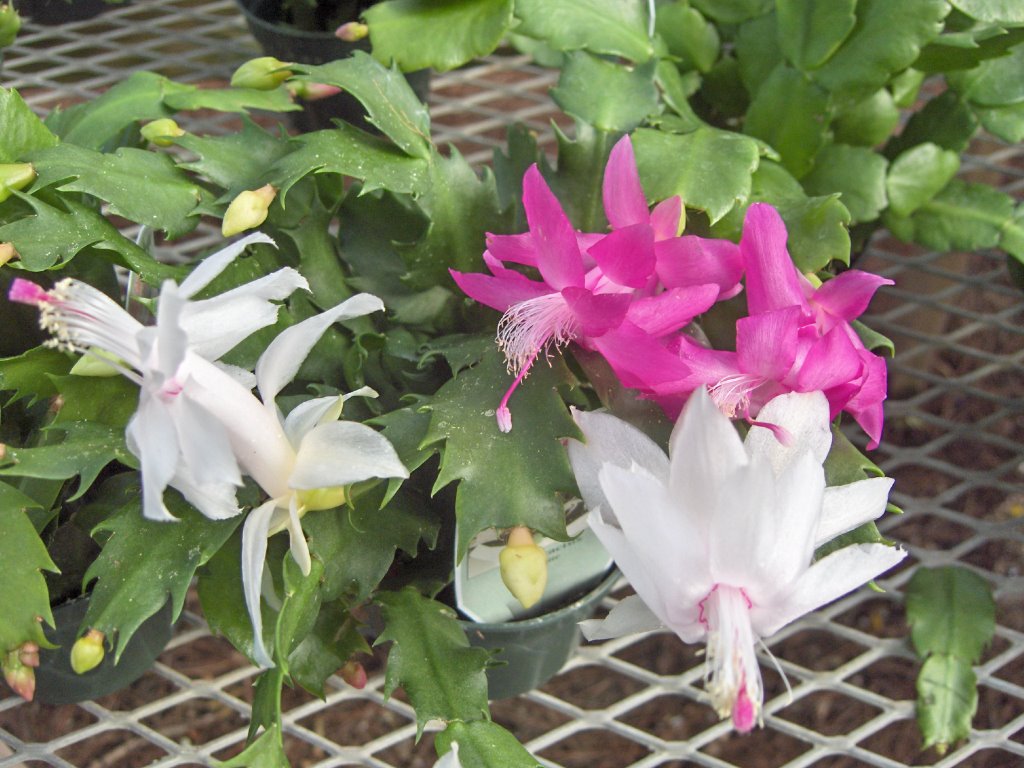
They favor temperatures between 65 - 85 degrees but can tolerate temperatures as low as 35 with minimal leaf damage. This variety of cactus enjoys a well lit area such as a sun room or kitchen window but not the bright, direct afternoon sun. Feed your Christmas cactus plant once every three months with a balanced fertilizer (10-10-10) for best results. This cactus plant, like poinsettias, knows when to bloom by measuring day length. Be sure to avoid electric lighting during September and October to ensure that your Cactus will bloom.
Posted by
The Plant Pixie
at
10:12 PM
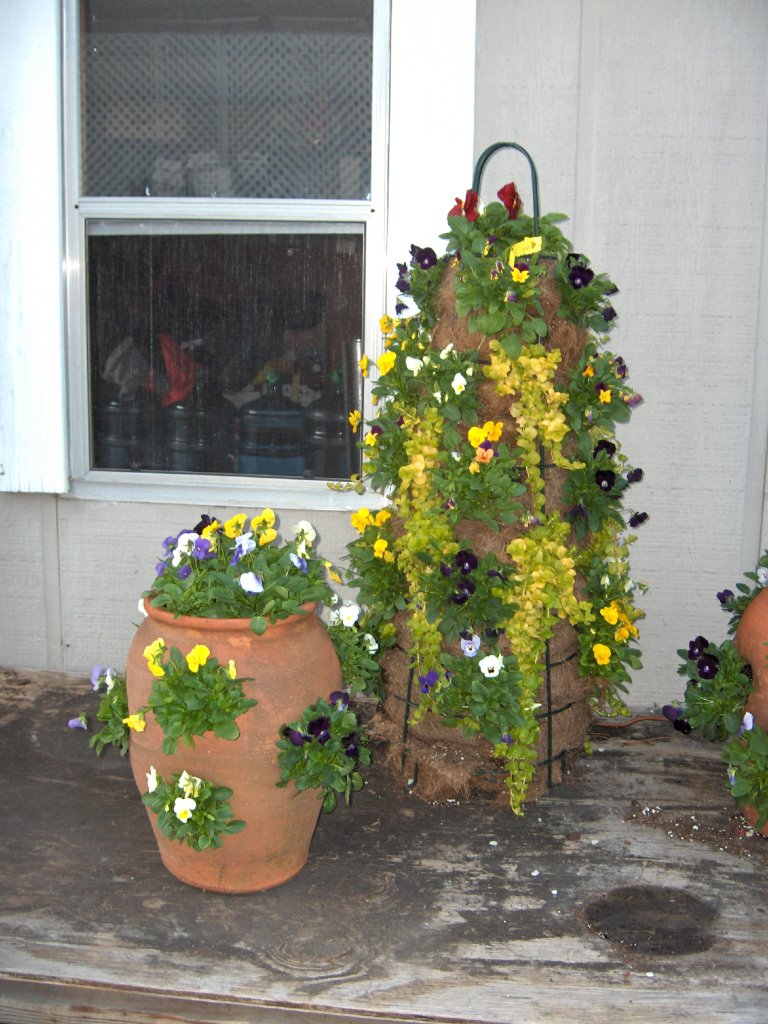
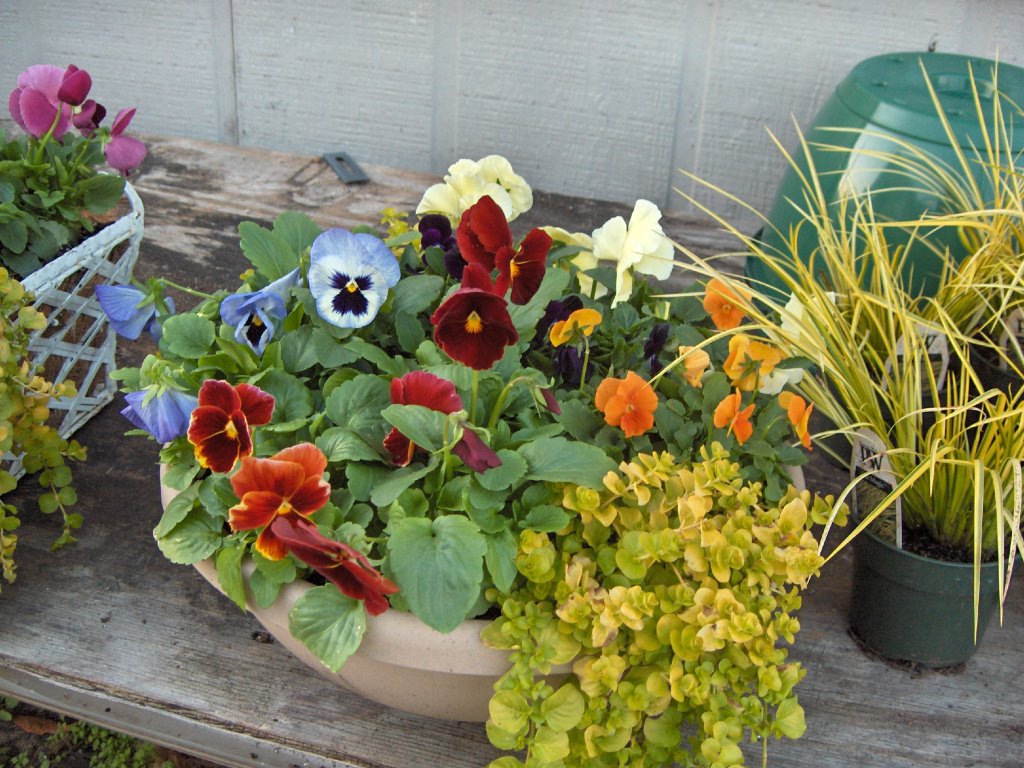
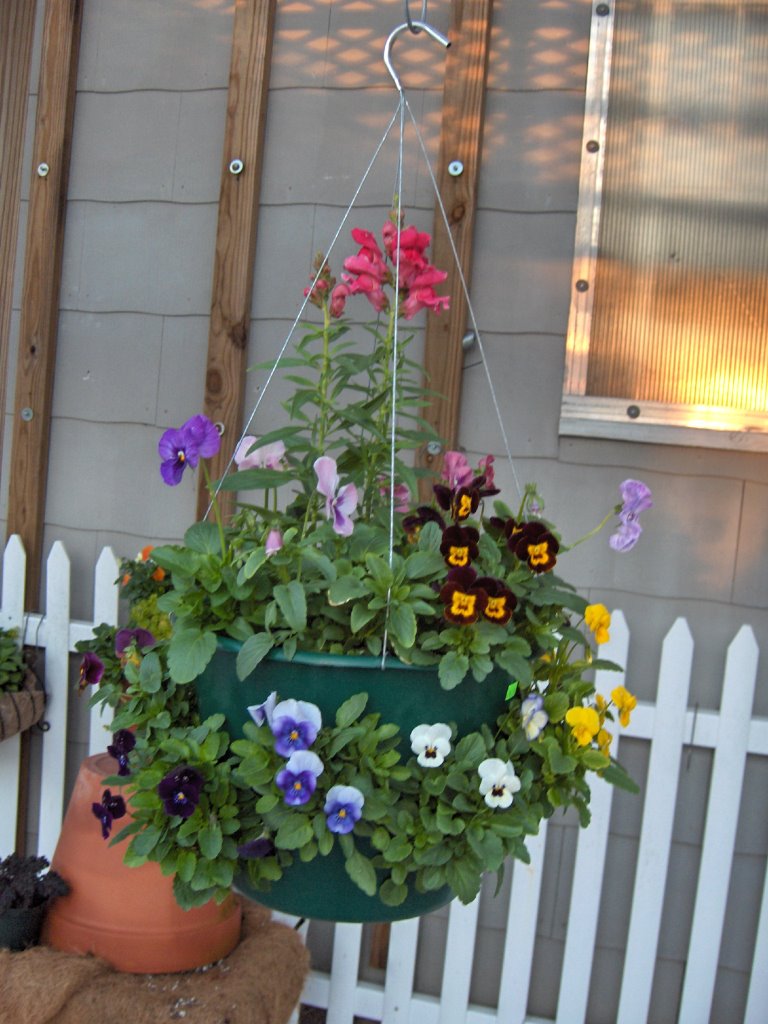
I think this is partially because homes are being built on smaller and smaller plots of land and partially because more and more homes have 2 income families who have less time to putter around the garden. Whatever the reason, container flower gardening can be a fun, easy way to brighten up your yard with some color. There is a huge variety of pots, baskets, window boxes, etcetera out there. From the most simplistic green plastic pot to the truly eccentric and grand. I know that I have seen just about every shape and size pot imaginable for sale. There are even hanging baskets with built in side holes to plant more flowers (like a strawberry pot). Whatever your tastes, there is something perfect for you out there! Here is a smattering of pictures of container gardens, window boxes, and baskets that I have seen this fall. Click on the picture to see a larger view!


Posted by
The Plant Pixie
at
8:01 PM
Poinsettia Colors
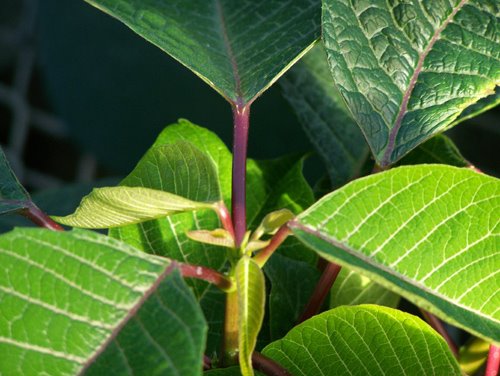
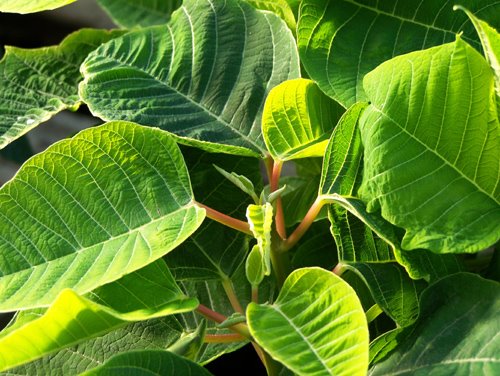
Have you ever wondered how a professional gardener can tell what color a non-blooming poinsettia is? How do we just glance at a plant and say, with confidence, that plant is purple, pink, red, or white?
It's a simple trick that any one can learn. Simply look at the stem of the leaves. They will always be the same shade that the poinsettia is going to turn into. If you are intimately familiar with poinsettias the leaves will also be a hint. For example, Prestige Red has different foliage than Red Velvet. However, for distinguishing the difference between main colors, all you need to do is look at the stem of the leaf.
Some examples are illustrated below:
Prestige Red
Cortez Burgundy (a plum colored poinsettia)
Snowcap (White)
Enduring Pink
I am not, however recommending the purchase of a poinsettia that has not already started to turn shades. Getting a poinsettia to bloom at home can be tough. They need a certain amount of dark (12 hrs. usually) and even street lights or car lights can play havoc with the plant's need for darkness. On the other hand, if you like to experiment or are an 'old-hat' at raising poinsettias, this tip is an easy insurance that you're buying the correct color.
Posted by
The Plant Pixie
at
10:20 PM

Planting Your Pansies and Violas
If you buy your pansies from a reputable grower pansy care is very easy. Some people prefer to mix bonemeal, bloodmeal, or manure in their flower beds. This is because pansies love nitrogen and iron. Bonemeal and bloodmeal are both nitrogen rich, organic fertilizers. I prefer bonemeal because it slowly releases the nitrogen into your flower bed and is also a good source of organic phosphates. You can still grow beautiful pansies without this step but if you have the energy and time, go ahead. Your plants will thank you.
Ok, our beds are tilled and ready. It's time to plant. If the plants you are planting are root-bound rough up the bottom of the root ball before planting. (Firmly rub your thumb along the bottom of the root ball to break up a few of the roots.) This will help to stimulate growth in the plant. Now dig a hole and plant! The top of the root ball should be flush (level) with the top of your flower bed. Do not plant pansies deep. They will suffocate and die. Lastly, water in your freshly planted bed(s). It doesn't matter if your plants were wet or dry. The goal here is to let the excess loose soil sink into any remaining air pockets around the root system of the plants.
Maintaining your winter garden
Pansies need food and care, like any other living thing. Here you have some choices. Do you like feeding your garden by hand every few weeks or are you a low-maintenance type gardener? If you are one of those who likes to putter in the garden find a good liquid fertilizer that you can apply every two or three weeks. Pansies will accept most basic fertilizers but for a guideline: 15-2-20 is the fertilizer I find works best. The basic 10-10-10 will do in a pinch. If you have granular ironite be sure to sprinkle some around the beds every 3-4 months.
Now, for those of us who prefer low maintenance flower beds, time release fertilizer is the answer. My two favorites are Electra and Florikan. Just sprinkle liberally around the flower bed (on the dirt - not on top of the plants themselves) and allow the rain and/or sprinkler system to do the work for you. Electra should be applied once every couple of months for a fantastic show of color. I'm afraid Florikan is not yet available in the retail market but your local nursery has probably already applied it to their pansy stock.
Lastly, but not least important, for best results you should deadhead your garden once or twice every month. This will keep your plants blooming at their maximum and prevent them from going to seed.
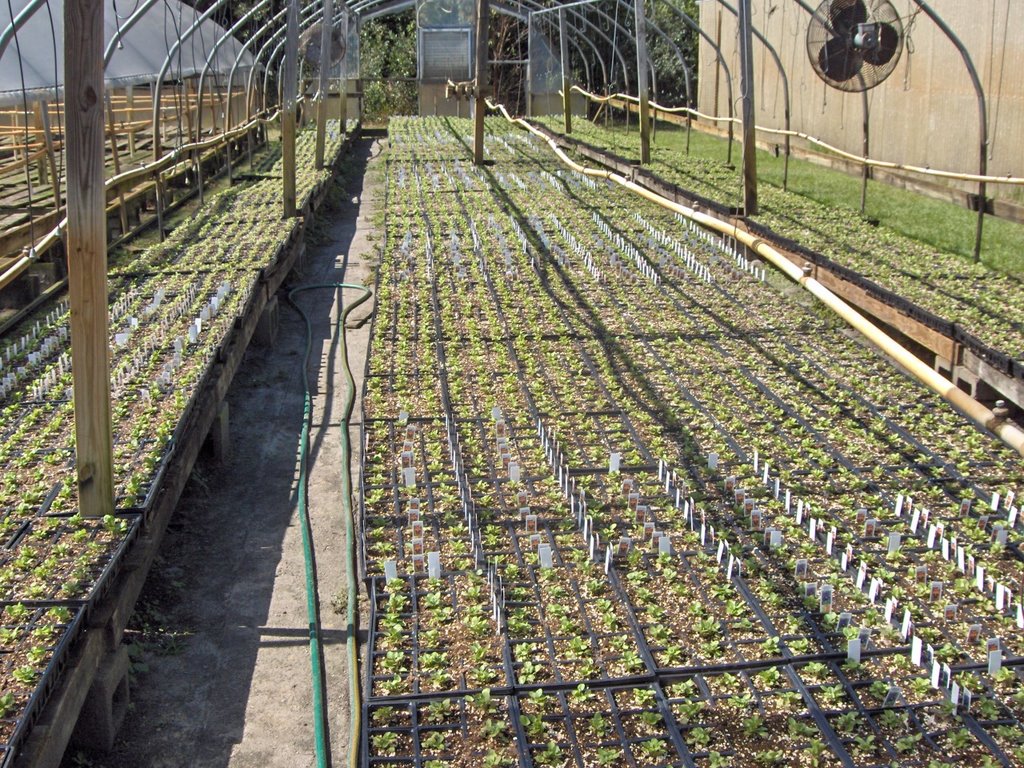
These are the same principals that any professional grower will follow when growing their own pansies/violas for sale. Here are some pictures from the three main stages of my past (2006) growing season for retail sale.
Planting Pansies (Note that these pansy plugs are slightly root-bound and we do rough up the bottoms before planting)
Growing Baby Pansies (2 weeks after planting)
Ready to sell! (2 months later)
Posted by
The Plant Pixie
at
4:19 PM

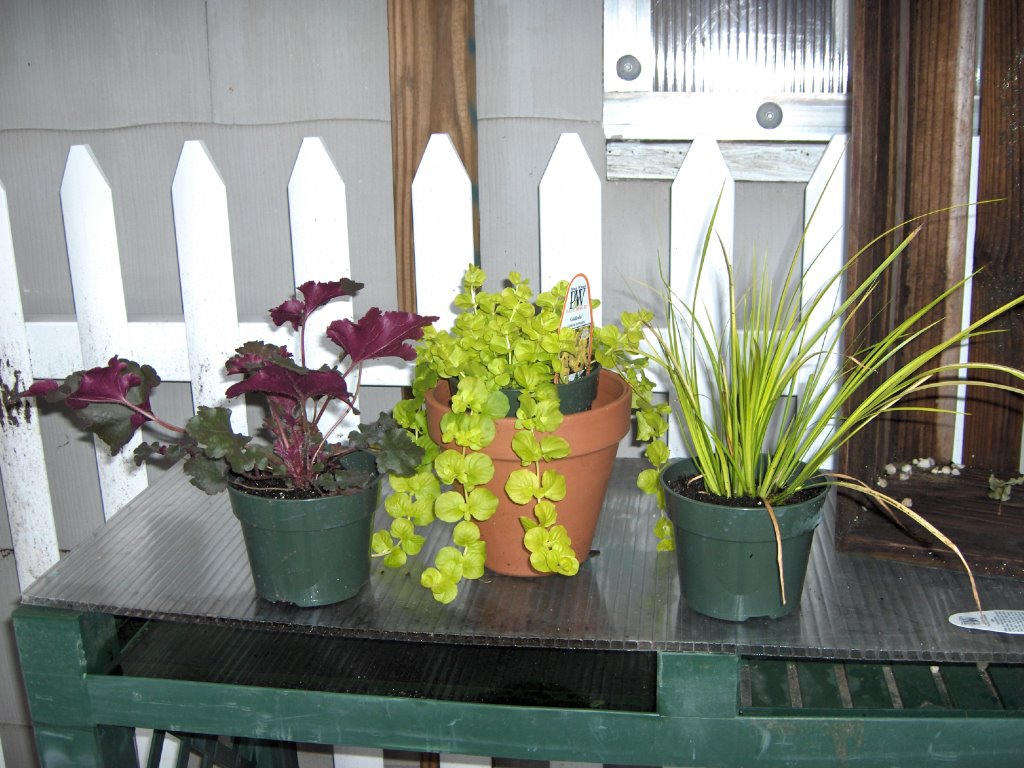
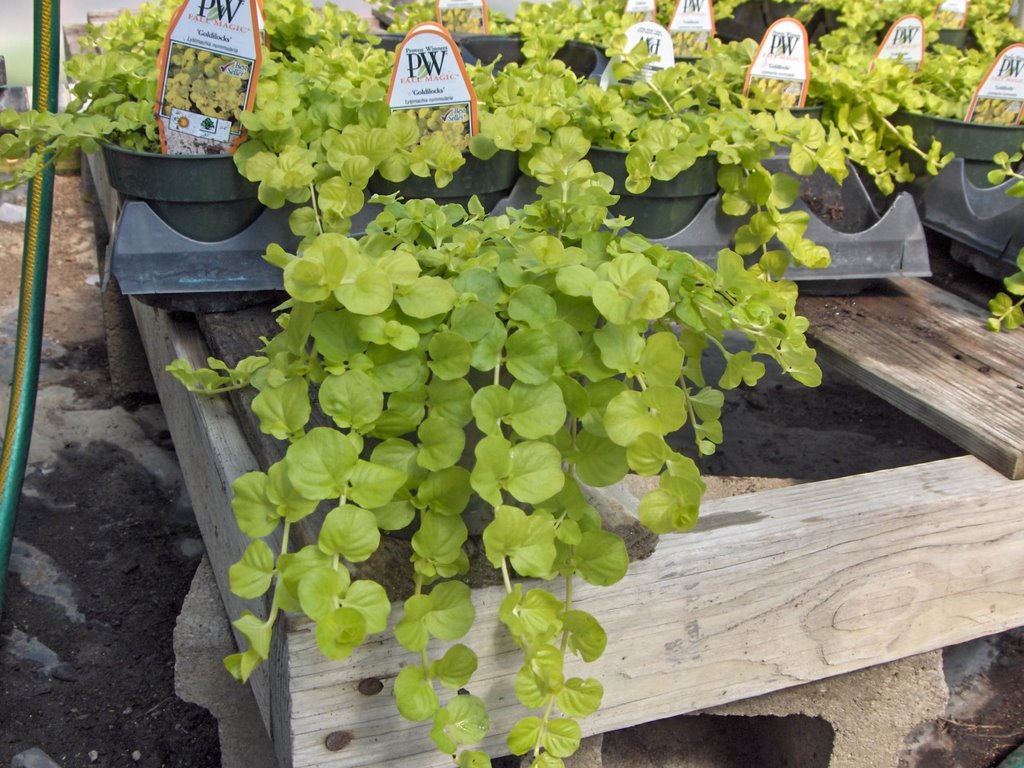
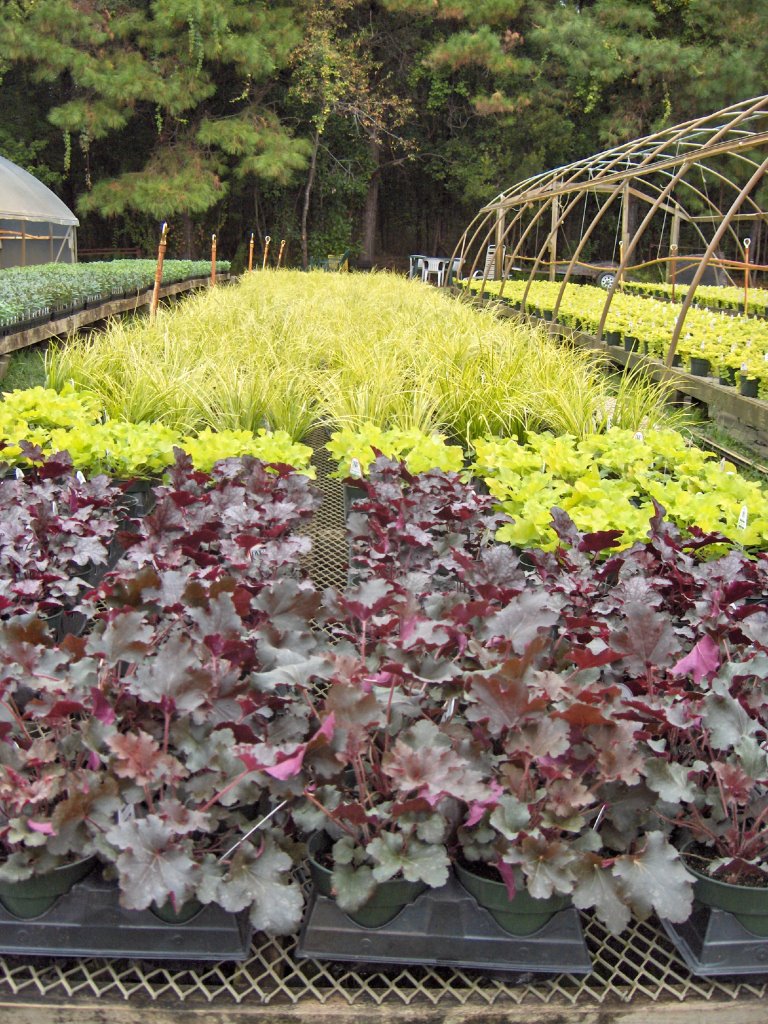
Winter flowers in the southeastern US have traditionally been pansies but in the past few years some exciting new-comers have entered the market. "Proven Winners" has come out with a series called 'Fall Magic' that has some true winners in it. I have been experimenting with these in my own yard for a few years and have a few favorites of my own. My top 4 from this series are Goldilocks, Lavender Cotton, Purple Petticoats and Ogon Grass. Each of these adds a little something different to you containers and/or garden.
Posted by
The Plant Pixie
at
8:10 PM
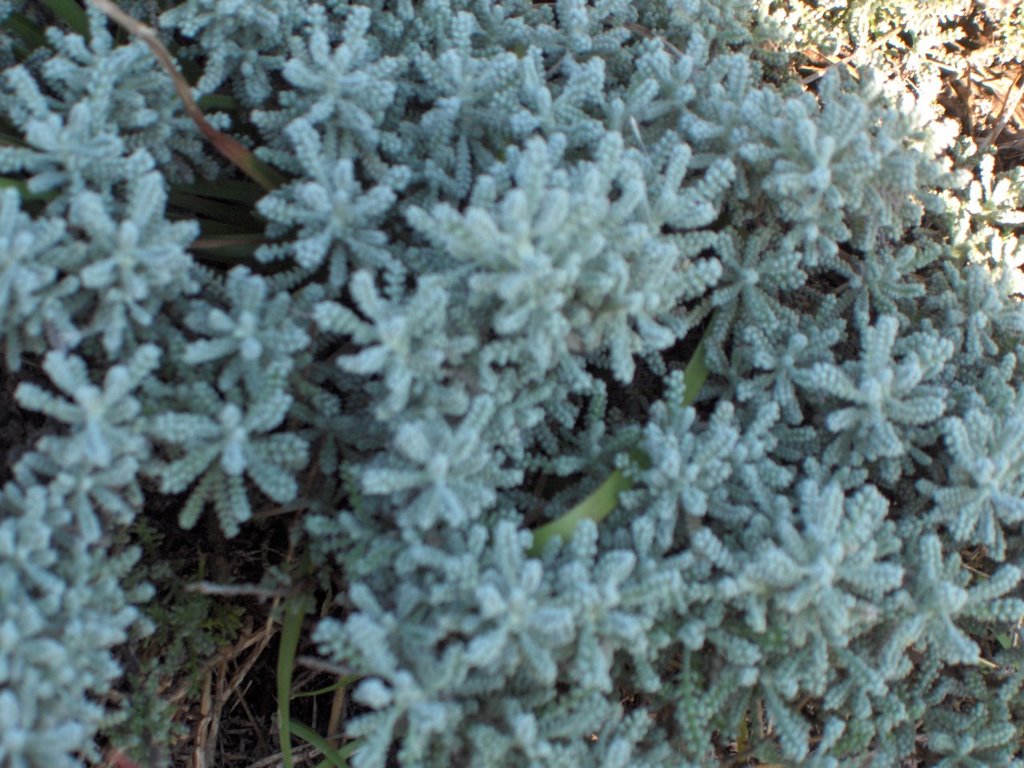
Lavender Cotton (Santolina Chamaecyparissus)
I believe that lavender cotton is an often overlooked and unappreciated plant in our region. This particular plant is usually found in our nurseries in the fall/winter season. However, it is evergreen and just as beautiful in the spring and summer months. The foliage has a greenish - grey tint similar to that of a dusty miller and soft fuzzy leaves . The average plant will only reach about a foot in height but will sprawl out 2-3 feet in length when planted in the ground.
Posted by
The Plant Pixie
at
6:45 PM
What is the difference between pansies and violas?
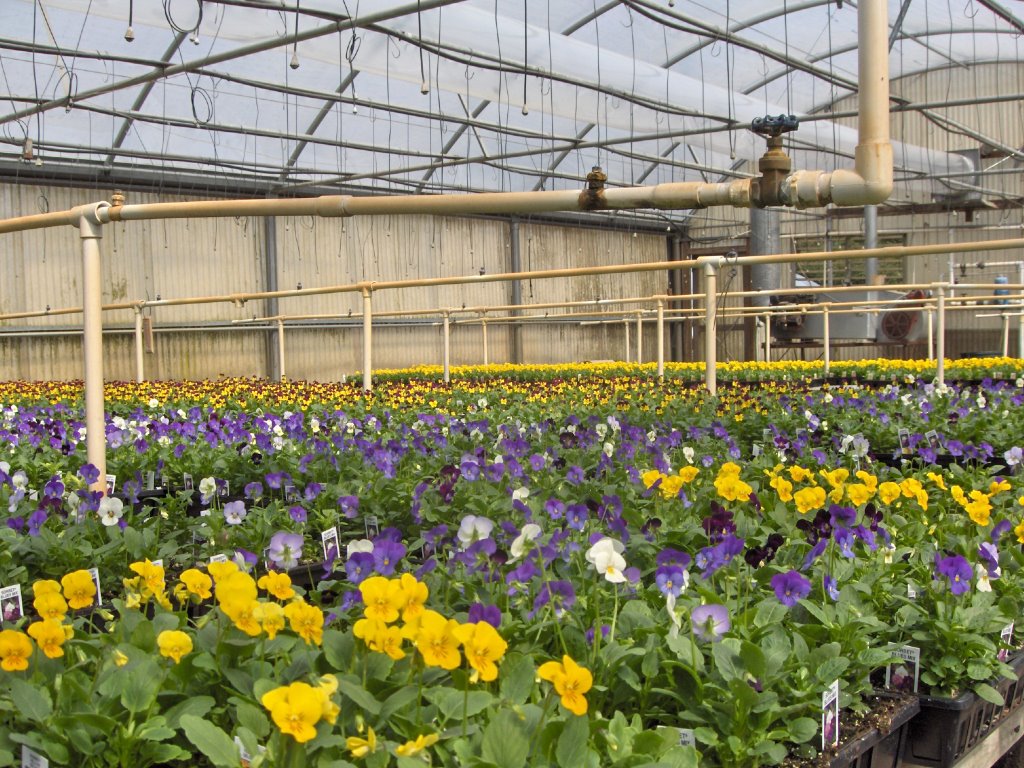
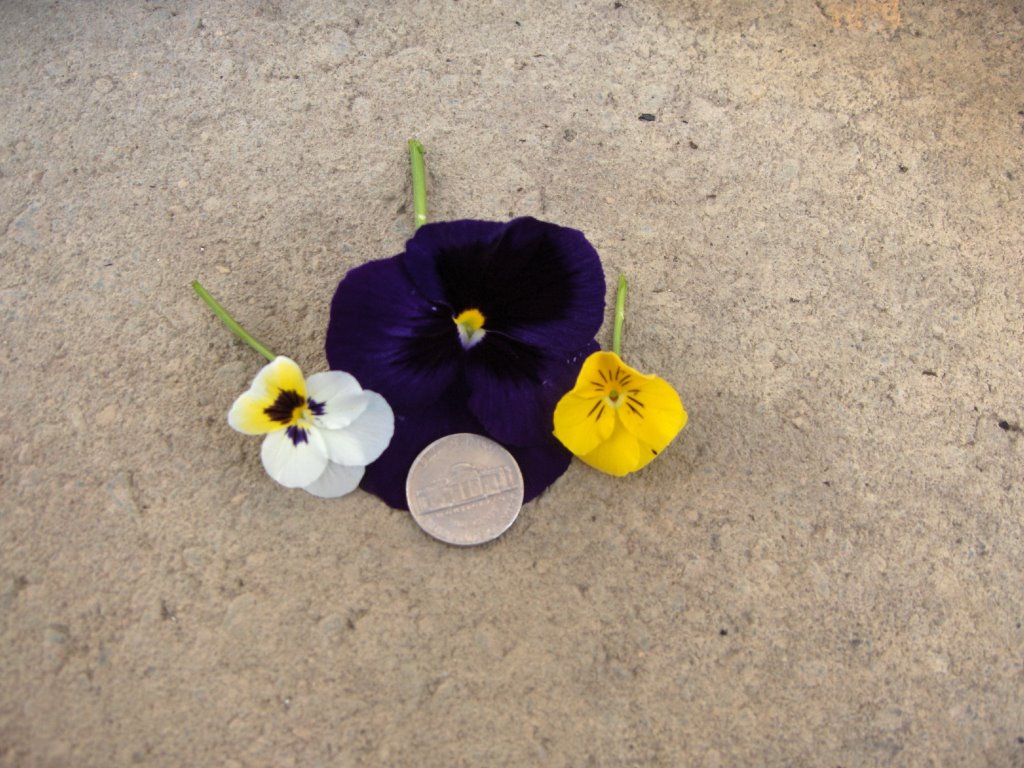
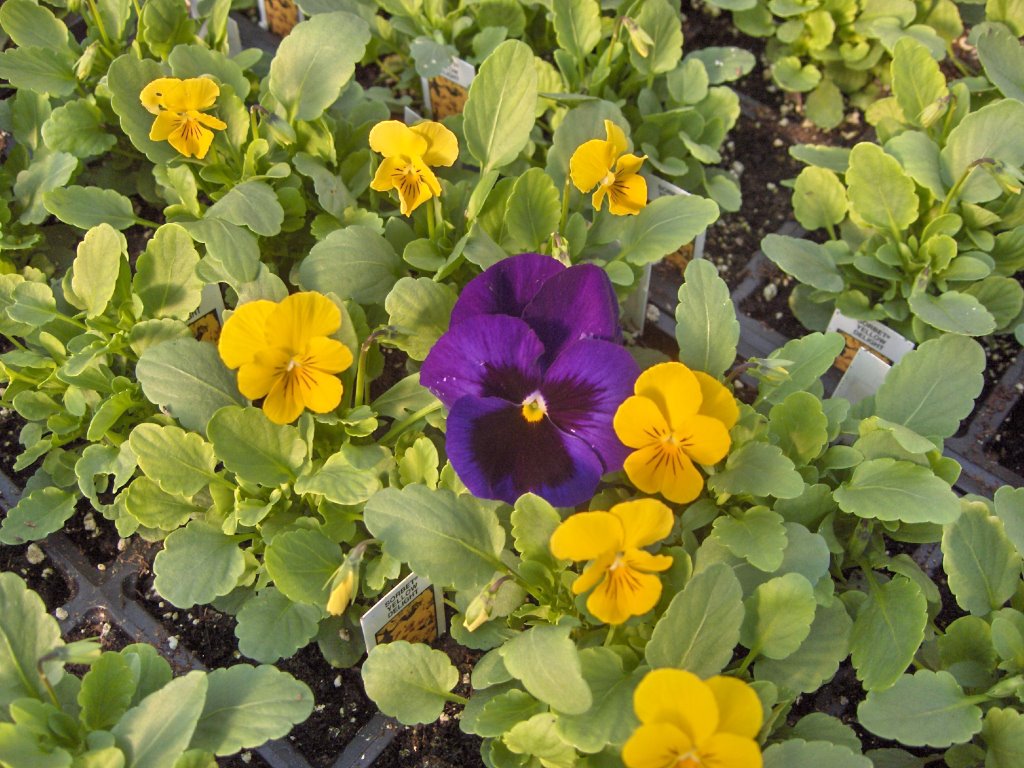
This is a question that I hear quite frequently this time of year. Violas (sometimes called Johnny Jump Ups) are simply a miniature version of pansy. Pansy flowers typically are about the size of a silver dollar. Viola flowers , however, range between the size of a nickel and a quarter. Both plants grow to the same basic height and width in the foliage. Violas, though, tend to have 3 - 4 times more flowers per plant at any given moment. So, while their individual flowers are less than half the size of a pansy, for color and show the two plants are fairly equivalent. They both also have the same food and care requirements. If you can grow one the other will be no problem. One big difference between the two plants is that violas tend to be more shade tolerant than pansies.
Both plants love full sun but violas will still bloom in shadier areas, where as your average pansy will not. Many people choose one or the other in their flower beds but mixing them in the same bed makes a beautiful show. Use pansies in the center of your flower beds and use the violas as an edger (outline along your bed). Then stand back and enjoy the compliments!
Posted by
The Plant Pixie
at
4:03 PM
Copyright 2006-2007. All Rights Reserved.
Sneads Ferry North Carolina: Real Estate, News & Events : Antiques & Collectibles : Seafood Recipes by Seafood Plus Info : Antiques, Collectibles and Auction News